In a food or beverage factory, engineering demand is rarely set by floor area. It is set by what happens to the product: how hot, how cold, how fast, how often and how hygienically it is handled. Yet engineering design often begins before those questions have firm answers. This article looks at how individual process decisions travel through refrigeration, power, water and drainage, and why that matters when infrastructure is being sized.
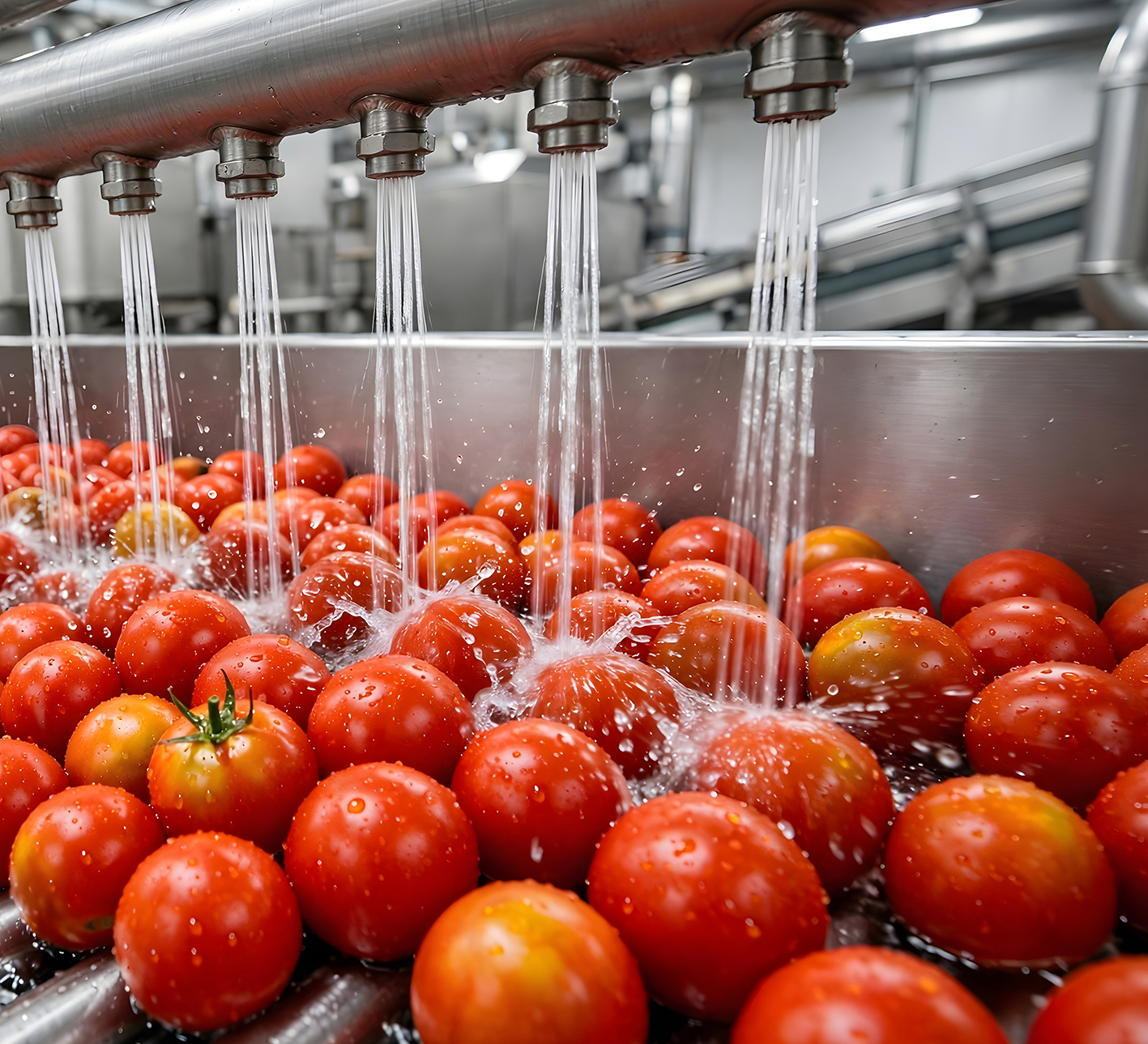
Before developing the engineering solution, it is important to understand how the factory will operate.
· What products will be manufactured?
· What are the production volumes and batch sizes?
· How will raw materials arrive and be stored?
· What temperatures are required at each stage?
· Where is heating, cooling, freezing or drying required?
· How and when will equipment be cleaned?
· What are the peak production rates, and how might these change in the future?
The answers establish the process mass and energy balances and, in turn, define much of the infrastructure required to support production. Engineering requirements are rarely determined by factory floor area alone. They are driven by what happens to the product.
Consider a simple example, product cooling. Changing the temperature at which a product enters a cooling process, the temperature it must reach, the time available to cool it or the quantity passing through the system can have a substantial effect on refrigeration duty. That additional refrigeration duty does not stop at the refrigeration system. It can increase compressor capacity, electrical demand, transformer capacity, heat rejection equipment and plantroom requirements. It can affect roof loading, external plant areas, noise considerations and even the incoming electrical supply. A decision made at process level will propagate through almost every engineering discipline.
The same principle applies throughout a food factory. A change in cleaning philosophy can substantially alter simultaneous hot-water demand, boiler or heat-pump capacity, water storage, pumping requirements, drainage flows and effluent treatment. Changing from ambient to chilled ingredient storage affects refrigeration loads, insulation, door arrangements, electrical demand and building area. Increasing throughput may require larger process equipment, but it can also change compressed air demand, steam consumption, cooling requirements, electrical loads, drainage flows and ventilation.
The important point is that engineering demand is often the consequence of process decisions rather than an independent design input.
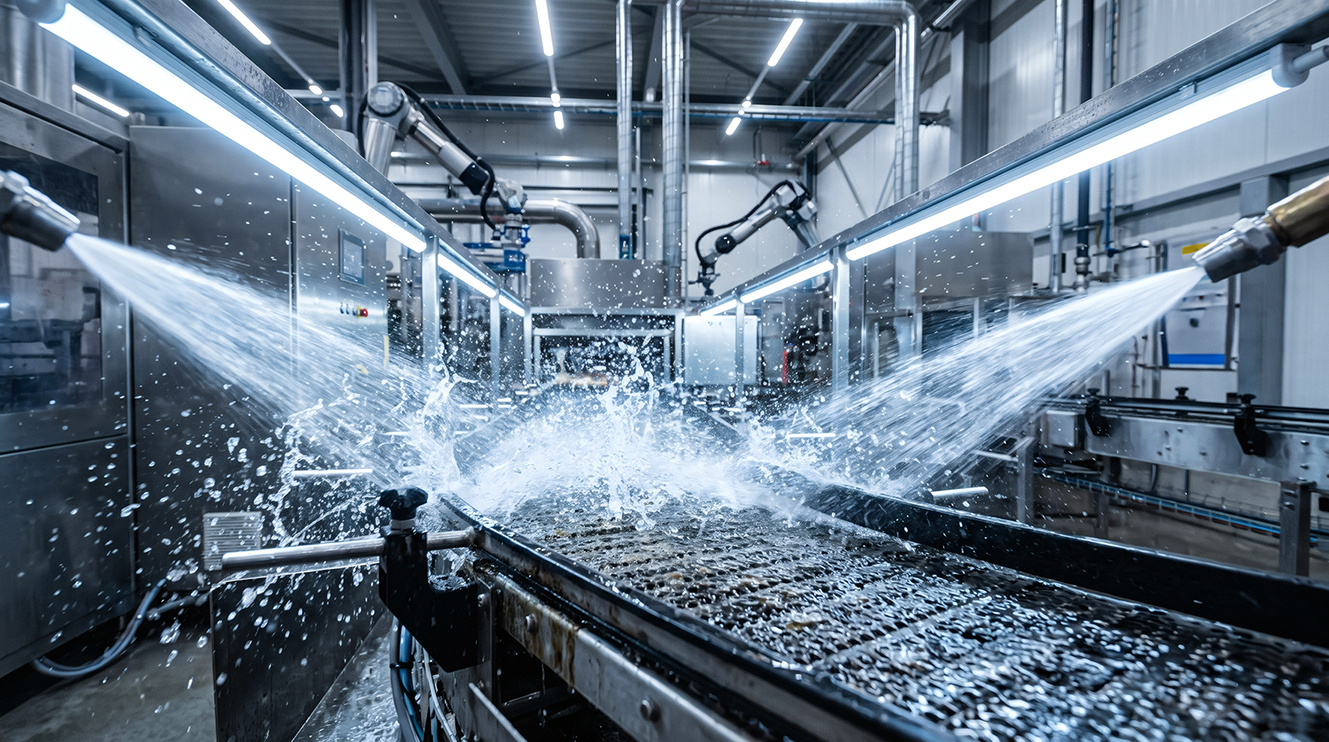
One of the most important things to understand about a process is not just how much energy or water a factory consumes, but when it consumes it. Average consumption figures can be misleading. A factory may have relatively modest daily water consumption but an extremely high instantaneous demand during cleaning. Refrigeration loads can peak during product pull down or freezing. Electrical demand can increase sharply when several large process systems operate simultaneously.
Understanding the production programme, operating sequences and cleaning regime allows these peaks to be identified and challenged before engineering systems are sized. This creates opportunities to optimise the process itself. Could cleaning operations be staggered? Could product cooling take place over a longer period? Could heat rejected from refrigeration be recovered for process or cleaning water? Could thermal storage reduce peak refrigeration demand? These questions are much easier, and considerably less expensive to address while the process is still being developed.
If engineering design begins before the manufacturing process has been sufficiently resolved, engineers inevitably must make assumptions. To manage uncertainty, those assumptions often become conservative. Margins are added to loads, diversity factors become cautious and plant capacities increase. Individually, each allowance may appear reasonable. Collectively, they can result in oversized infrastructure.
Alternatively, assumptions can prove optimistic, creating the opposite problem. Insufficient electrical capacity, refrigeration capacity, drainage, water supply or utility infrastructure once the process design is finalised.
Both outcomes can be expensive. The objective should therefore not simply be to add engineering capacity “just in case”, but to understand the process well enough to determine where capacity is genuinely required and where diversity, storage, sequencing or recovery can provide a better solution.
Once the process has been sufficiently defined, the engineering team can develop systems around real operating requirements. This allows refrigeration, heating, electrical distribution, water, compressed air, ventilation, drainage and other utilities to be considered as an integrated system rather than as individual services. It also creates opportunities that can easily be missed when disciplines work independently. Heat rejected from refrigeration may become a useful source of low grade heat. Process scheduling may reduce electrical maximum demand. Water use can potentially be reduced through better cleaning strategies. Thermal storage may allow refrigeration plant to operate more efficiently. Utility distribution can be arranged around genuine process requirements rather than assumed equipment locations. The result is not simply a better engineering design. It can be a smaller, more efficient and more resilient engineering solution.
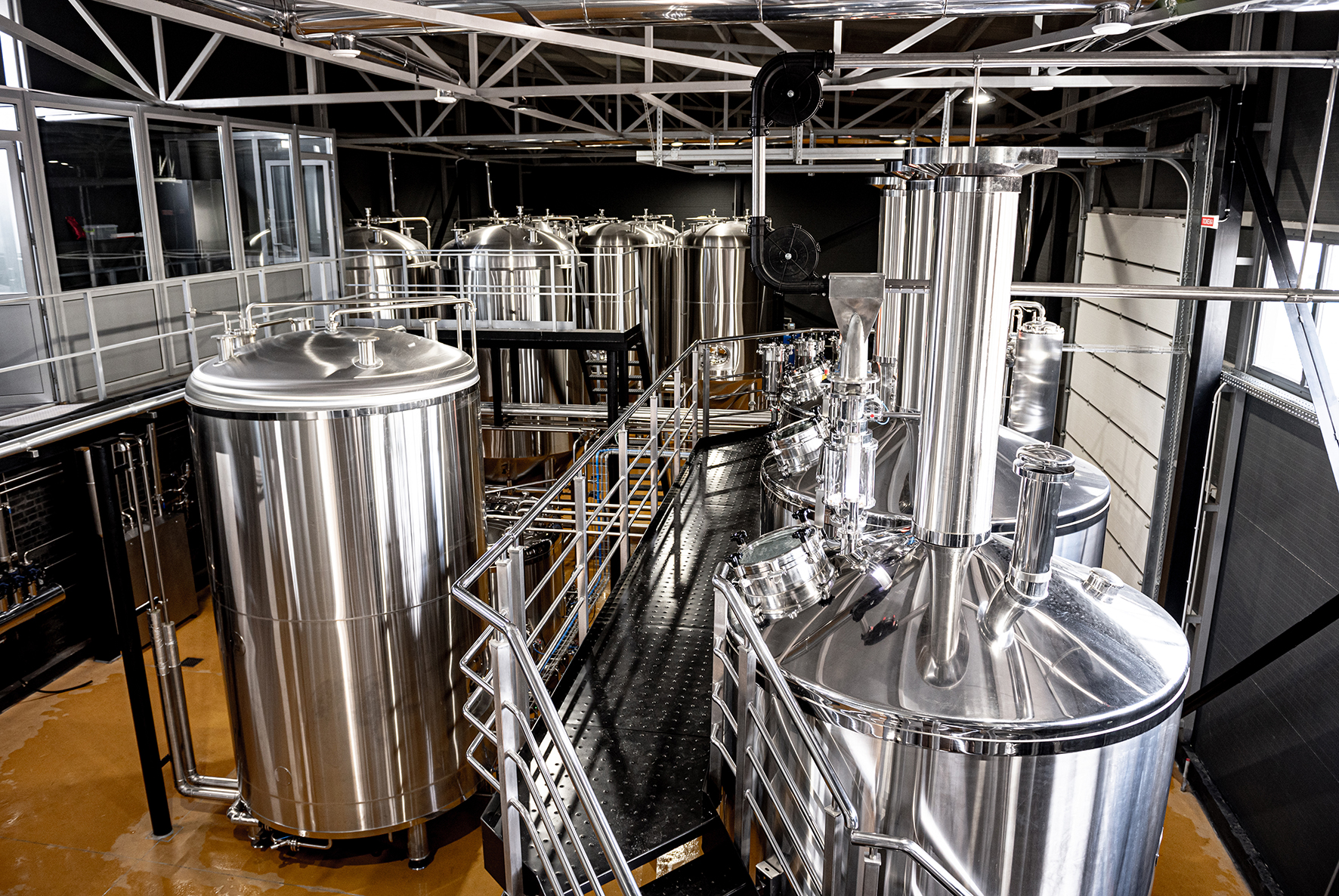
The same logic reaches the building itself. Process flows determine adjacencies. Hygiene and segregation requirements influence walls, doors and personnel routes. Equipment determines structural loads and clear heights. Refrigeration influences insulation and vapour control. Utility distribution affects service voids, ceiling zones and plant spaces. Where these needs only surface once the building design is largely fixed, the resulting compromises tend to stay for the life of the facility. Iterating process, engineering and building together, rather than finalising one before the next, keeps those compromises to a minimum.
A food or beverage factory is an interconnected manufacturing system. The process determines material and energy flows, those flows determine engineering demand, and engineering demand shapes plant space, infrastructure and ultimately the building. Understanding that chain early means capacity is placed where it is genuinely needed rather than added as a precaution, which can lead to lower capital cost, reduced energy demand and better operational efficiency. At Sphere Design, that understanding is where every project starts.
Engineering demand is only one side of the picture. For a look at how people, product and waste flows shape layout, hygiene and day-to-day operation, see our companion article, Process Flow Efficiency: Designing the Process First, Building Around It.
By Mike Roberts, Senior Technical Manager at Sphere Design